

Identifying Opportunities to Create Lasting Value
In today’s rapidly changing higher education environment, understanding the authentic perspectives of students, faculty, staff, alumni, and community partners is more important than ever. As institutions navigate enrollment shifts, evolving expectations, and the need for inclusive, data-informed decisions, one powerful tool stands out: the focus group.
When conducted by an independent third-party company, focus groups provide higher education leaders with the unbiased, credible insights needed to strengthen strategy, culture, and student success.
Discovering the “Why” Driving Outcomes
Surveys can tell us what people think, but not why they think it. Focus groups go beyond surface-level data by creating space for participants to explain their reasoning, feelings, and experiences. When people are asked to elaborate in a moderated, small-group setting, researchers can uncover the motivations, and values that drive behaviors on important issues. This insight helps leaders, institutions, and policymakers shape messages and strategies that are both informed and empathetic.
Professional Consultants Encourage Honest and Candid Feedback
In Higher Ed institutions power dynamics can unintentionally shape what people are willing to say. Students may fear that criticism could affect their academic standing, while faculty and staff might hesitate to share concerns with senior leadership present.
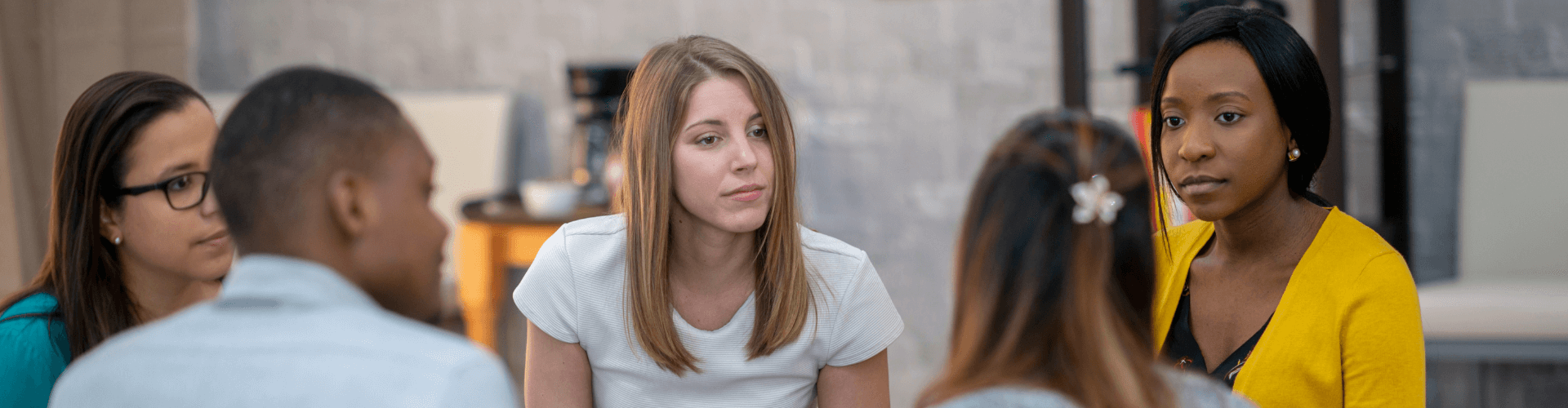
When conducted by independent, neutral facilitators, focus groups allow participants to speak openly without fear of judgment or backlash. This independence is crucial in during sensitive discussions—especially if mistrust is high. A third-party moderator ensures objectivity and confidentiality.
An independent facilitator creates a neutral environment where participants feel safe to speak freely and confidentially. This psychological safety leads to honest, meaningful feedback — often revealing insights that internal teams would never hear directly. The result is more authentic feedback and greater credibility in the findings.
Benefits and Enhances Credibility and Objectivity
When results come from an internal committee or office, stakeholders may question whether the findings reflect bias or institutional politics. Independent third-party facilitation removes that concern.
Data collected and analyzed by a neutral expert carries greater weight with boards of trustees, accreditors, and external partners. Leaders can present findings with confidence, knowing they reflect authentic campus voices rather than filtered or biased narratives.

Professionals Reduce Bias in Research Design and Interpretation
Even the most well-intentioned internal teams can introduce bias — through question wording, facilitation style, or selective interpretation of results. Third-party researchers apply professional methodologies to ensure neutrality throughout the process.
They design balanced discussion guides, manage group dynamics objectively, and analyze data using evidence-based frameworks. This rigor transforms anecdotal comments into reliable, actionable themes that can guide policy and program development.
Benefits to the Leadership
Informed Strategic Planning and Institutional Improvement
Independent focus groups are particularly valuable during times of transition — such as leadership changes, accreditation reviews, or strategic planning cycles. They provide insight into campus culture, communication effectiveness, student belonging, or faculty engagement.
Because the findings are independent, they serve as a credible foundation for institutional decisions and improvement plans, demonstrating to stakeholders that leadership values transparency and evidence-based action.
Builds Trust Across the Community
When stakeholders and participants know their feedback is being collected and analyzed by an impartial third party, it builds trust in both the process and the administration. This trust increases participation and strengthens the culture of shared governance.

It signals that leadership not only listens — but listens objectively. That credibility is essential for uniting diverse voices behind institutional goals.
Provides Actionable, Strategic Insights
Independent facilitators don’t just summarize what people said — they help interpret what it means for the institution’s mission, operations, and student outcomes. Their reports distill complex discussions into clear recommendations aligned with institutional priorities, helping leaders translate feedback into measurable progress.
Conclusion
Listening is a powerful strategy. For policymakers, educators, and leaders, the insights from focus groups are invaluable. For higher education leadership, an independent third-party focus group is not simply a research exercise — it’s a strategic investment in trust, transparency, and truth.
By creating space for authentic dialogue, eliminating bias, and ensuring data integrity, these focus groups deliver insights that empower leaders to make informed decisions, foster campus unity, and strengthen institutional effectiveness.
By creating space for authentic dialogue, eliminating bias, and ensuring data integrity, these focus groups deliver insights that empower leaders to make informed decisions, foster campus unity, and strengthen institutional effectiveness.